FUBU And FUBU Clothing: How a Brand Became Part of Streetwear History
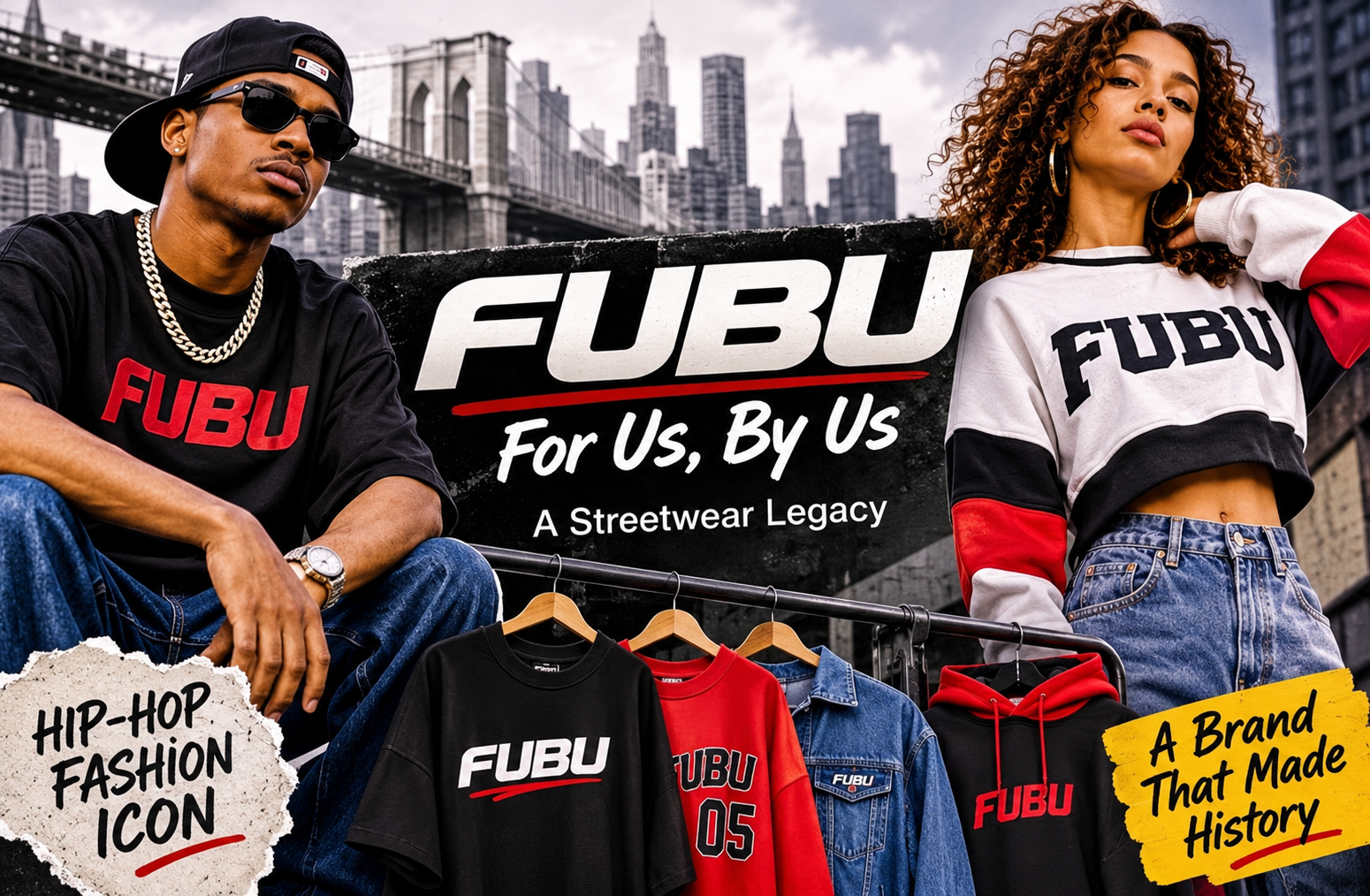
FUBU and FUBU Clothing have a story that goes beyond logos, oversized shirts, and casual fashion. The brand emerged from a cultural movement in which music, personal identity, and clothing were closely connected. At a time when hip-hop was influencing how a generation dressed, FUBU offered something that felt authentic to the people who connected with that culture. Its approach to fashion was not about following established luxury trends. It was about creating clothing that reflected a community and gave people another way to express themselves.
The Story Behind FUBU
FUBU was founded in 1992 by Daymond John, Keith Perrin, J. Alexander Martin, and Carl Brown in Queens, New York. The name stands for “For Us, By Us,” expressing the founders’ intention to build a brand that represented their own community.
What makes the beginning of FUBU interesting is how different it was from the typical fashion-business story. The founders started with limited resources and worked to introduce their designs through local connections and grassroots promotion. Their early products helped establish an identity that would eventually reach far beyond their original market.
As hip-hop gained greater mainstream influence, FUBU found an audience that understood its message. The clothing became associated with a generation that wanted fashion to reflect its music, personality, and cultural background.
What Gives FUBU Clothing Its Identity?
FUBU Clothing developed a recognizable appearance through a combination of relaxed fits, noticeable branding, and sportswear influences. Its designs often balance everyday comfort with visual details that make an outfit stand out.
Some of the elements associated with the brand include:
- Graphic T-shirts: Bold lettering and recognizable branding make these pieces easy to incorporate into casual outfits.
- Oversized shirts: Relaxed proportions reflect the influence of classic hip-hop fashion.
- Sportswear-inspired designs: Athletic details and jersey-style garments connect with the brand’s streetwear background.
- Denim: Casual denim provides a natural match for the brand’s laid-back aesthetic.
- Sweatshirts and hoodies: These pieces bring together comfort and the recognizable visual character of FUBU.
What matters is how these elements work together. FUBU Clothing does not need complicated styling to make an impression. Often, one distinctive garment is enough to give an otherwise simple outfit more personality.
How Hip-Hop Helped Shape the FUBU Identity
It is difficult to discuss FUBU without considering the influence of hip-hop. During the 1990s, music became an important source of inspiration for street fashion. Artists and audiences helped popularize relaxed silhouettes, expressive graphics, sportswear, and clothing that communicated a sense of belonging.
FUBU became part of that conversation. Its presence in popular culture helped introduce the brand to people who might not otherwise have encountered it. The connection was meaningful because the clothing reflected the culture rather than simply borrowing its appearance.
This relationship also explains why FUBU remains recognizable to people interested in vintage streetwear. Its designs are connected to a particular cultural period, giving them a story that extends beyond their appearance.
Wearing FUBU Clothing in Today’s Streetwear
FUBU Clothing can work in a modern wardrobe without turning every outfit into a recreation of the 1990s. The easiest approach is to combine its distinctive pieces with contemporary everyday clothing.
An oversized FUBU graphic T-shirt, for example, pairs naturally with straight-leg denim and simple sneakers. For a more relaxed outfit, a FUBU sweatshirt can be worn with loose trousers and understated footwear. If you prefer a stronger retro appearance, consider combining sportswear-inspired pieces with baggy jeans.
There is also room for a more understated approach. A single branded top with neutral trousers creates a balanced outfit while allowing the garment to remain the main focus.
The important thing is to choose combinations that feel natural rather than forcing every element into the same aesthetic.
Why FUBU Clothing Appeals to Vintage Streetwear Fans
For people interested in vintage-inspired clothing, FUBU offers something different from brands built entirely around current trends. Its appeal comes partly from its recognizable designs, but its cultural background is just as important.
The brand represents a time when streetwear was developing its own identity through music, local communities, and independent fashion businesses. That history gives its older designs a distinctive character.
Another reason people continue to explore FUBU is its recognizable visual language. Bold graphics, relaxed proportions, and sportswear influences can add variety to wardrobes dominated by plain basics. These features also make the brand interesting to collectors and people who appreciate the fashion of earlier hip-hop eras.
FUBU and the Lasting Meaning of Streetwear
FUBU and FUBU Clothing demonstrate how a fashion label can become associated with something larger than the products it sells. Its history is connected to representation, entrepreneurship, and the growing influence of hip-hop on American fashion.
Although streetwear has changed considerably since the brand first appeared, FUBU’s original identity remains an important part of its story. Its influence can be understood through the relationship between clothing and culture: what people wear can communicate where they come from, what inspires them, and how they want to present themselves.
That is what makes FUBU worth exploring today. It is not simply another name from the history of graphic T-shirts and oversized clothing. It is a brand whose identity grew from a clear cultural idea and helped shape the way an entire generation approached streetwear.