Choosing a Blood Glucose Meter Kit: A Simple Guide for Daily Health Monitoring
Controlling blood glucose is a continuous process of diabetes management. Frequent testing allows individuals to learn about the normal fluctuations in their levels and what foods, activities, anxiety, and drugs may affect them. Monitoring is possible at home with a blood glucose meter kit, but different meters have varying features and supplies. Users can select the option that will work for their daily routine by knowing what is included in a kit, how the readings are presented in the kit, and what replacement supplies are needed.
What a Blood Glucose Meter Kit Includes
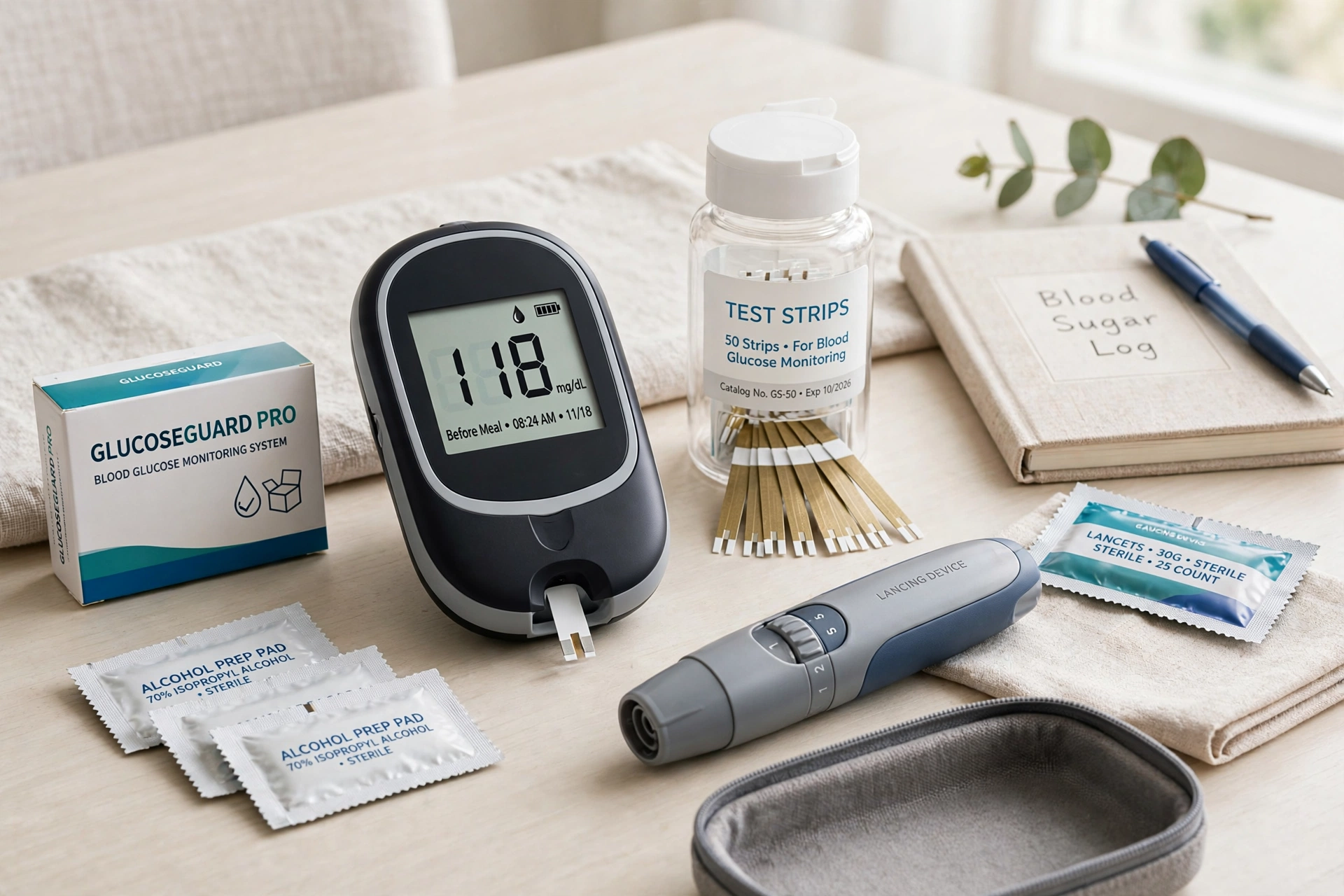
A blood glucose meter is used to measure the amount of blood sugar with a tiny drop of blood, typically taken from the tip of the finger. The test strip is inserted into the meter, the sample is dropped onto this strip, and then the reading is displayed. The majority of kits consist of a meter, test strips, a lancing device, and lancets.
Before purchasing, always read the packaging of the kit. Test strips are typically model-specific; check for compatibility. The wrong strips prevent testing or will impact the results.
Features to Compare Before Buying
The appropriate blood glucose meter kit will depend on who will use it and which features make regular checks manageable.
Accuracy and Clear Readings
Accurate readings are important as they could be used to guide diabetes therapy. Check the manufacturer’s information and select a device that complies with applicable performance standards. Take a sample and use the meter as indicated in the instructions. If an error message appears on the device, or unexpected results occur, refer to the manual; don’t depend on guesses.
Memory and Data Tracking
Some meters keep a record of the previous readings, so that you can check the results and see patterns. This history can help with a conversation with a health care professional. Certain models connect to mobile applications, but these features are optional. For those who do not prefer advanced technology, a simple device might be more suitable.
Test Strip Availability and Cost
The purchase price is only one part of the overall cost. Test strips and lancets must be changed frequently, so make sure of the price and availability of the model you select. At first, a meter might appear to be a cheap option but may end up costing more if the right strips can’t be found.
Using the Meter Correctly at Home
The selection of a blood glucose meter kit is just a beginning step. Readings are more useful if the technique and routine are correct. Wash and dry hands, set up the lancing device per instructions, then use a new lancet. Follow the manufacturer’s instructions for applying the blood sample to the test strip.
Write down the readings along with the date, time and circumstances. Having this information all in one place may be helpful when talking about changes with a health care provider. Follow your health care provider’s directions on when and how often to test. Avoid altering a medication without medical advice.
Other Devices for Home Health Needs
Home healthcare may involve equipment for needs beyond glucose monitoring. A blood oxygen saturation and pulse rate indicator known as a finger tip pulse rate oximeter is used to estimate blood oxygen saturation and pulse rate. It attaches to a finger and can be affected by cold hands, movement, nail polish and lack of circulation. It is not an assessment tool to be used in place of a medical assessment when a person experiences symptoms of concern.
A healthcare professional might recommend a cervical collar for neck support for some neck injuries or recovery requirements. A procare rigid cervical collar is one type of rigid support, but it is not appropriate for all cases of neck pain. It takes professional advice to ensure that the sizing, fitting and duration are correct. https://idtshomemedicalsupply.com/products/procare%C2%AE-rigid-cervical-collar-one-size-fits-most-adult
Supporting Diabetes Care With Home Monitoring Equipment at IDTS
For a Blood glucose meter kit, IDTS Home Medical Supply provides a place to explore home medical equipment and review available product information. Reading the specifications, intended use, and the supplies required for normal operation can help caregivers make informed decisions. Always check product details before buying. Taking time to compare available options can help individuals select equipment that fits their monitoring routine and everyday healthcare requirements.
FAQs
1. What should I look for when buying a Blood glucose meter kit?
Check the accuracy details, ease of use, test strip compatibility, memory options, replacement supply cost and availability.
2. What does a fingertip pulse rate oximeter measure?
A fingertip pulse rate oximeter measures the amount of oxygen saturation in the blood and pulse rate, although this may be affected by movement and cold fingers.
3. When is a cervical collar for neck support recommended?
A cervical collar for neck support may be recommended for specific injuries or recovery needs, but use should be guided by a healthcare professional.
4. Can anyone use a procare rigid cervical collar for neck pain?
A procare rigid cervical collar is meant for specific needs, and the use of the collar and how long it is to be worn should be determined by a healthcare professional.
Conclusion
A suitable blood glucose meter kit should fit the user’s routine, be easy to operate, and have accessible compatible supplies. Before buying, consider accuracy, display, memory and costs. If selected, use the device regularly and follow up with a healthcare provider for diabetes care. Following the recommended testing schedule and reviewing results with a healthcare professional also helps users understand changes in their glucose levels. A well-informed choice can support a more organized approach to everyday diabetes care.
Explore home monitoring equipment and other medical supplies at IDTS Home Medical Supply and compare product details before choosing what best meets your needs.