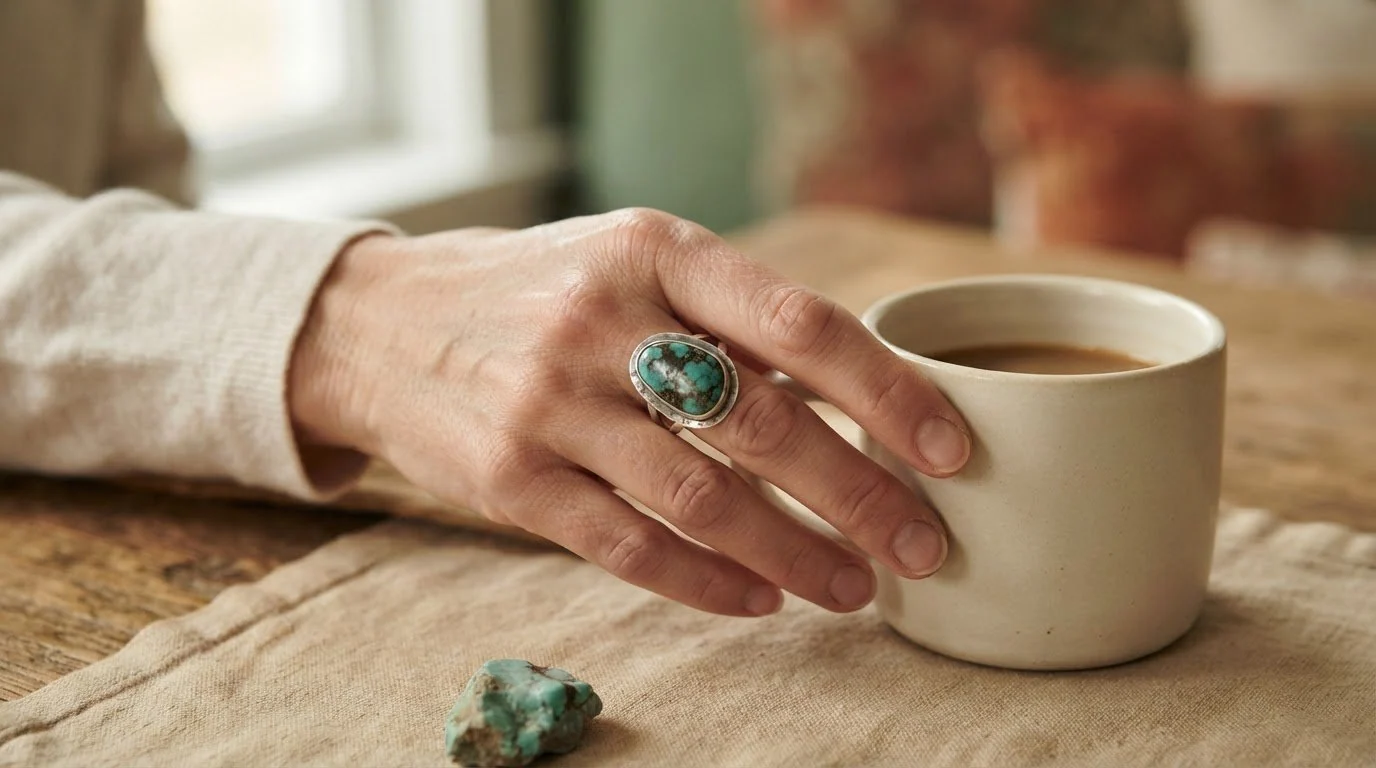
The Ultimate Guide to Statement Rings: Styles, Trends and How to Wear Them
Jewellery has always been an important part of personal style. A carefully selected necklace, bracelet or pair of earrings can change the appearance of an outfit, but rings have a unique place in the world of accessories. They are visible throughout the day, can be worn with almost any clothing style and often carry personal meaning.
Over the years, rings have moved beyond traditional occasions such as engagements, weddings and formal celebrations. Today, they are an important part of everyday fashion. From simple bands and vintage-inspired designs to bold geometric pieces and chain-inspired accessories, there are countless ways to use rings to express individual style.
Among these designs, statement rings have become particularly popular. They offer an easy way to add character to an outfit without needing several accessories. A well-designed ring can make a simple outfit feel more complete, introduce contrast to a minimal look or become the centrepiece of an entire jewellery combination.
But choosing the right statement ring involves more than picking an attractive design. Size, material, finish, comfort and styling all influence how a ring looks and feels.
Whether you prefer understated jewellery or accessories that attract attention, this guide explains the different types of statement rings, how to choose one and how to style them for different occasions.
1. What Are Statement Rings?
A statement ring is a piece of jewellery designed to stand out. Unlike a simple wedding band or delicate everyday ring, it usually features a noticeable shape, distinctive pattern, larger surface area or interesting decorative detail.
Statement rings come in many forms. Some feature oversized stones, while others use unusual metalwork, sculptural shapes, textured surfaces or repeating patterns.
The purpose is not necessarily to wear the largest ring available. Instead, it is about choosing a design that adds something distinctive to your appearance.
For example, a person who enjoys minimalist fashion might choose a smooth, polished silver ring with a slightly wider band. Someone who prefers streetwear might choose a chunky chain-inspired design. Both can be statement pieces, even though their styles are completely different.
Statement rings are also not restricted to any particular gender or age group. Their appeal comes from the variety of available designs and the freedom to wear them according to personal preference.
2. Different Types of Statement Rings Worth Knowing
Understanding the different ring styles makes it easier to find something that suits your wardrobe. Although new designs continue to appear, several styles have remained popular because they offer distinctive appearances.
A. Cuban Link Rings
Cuban link jewellery is recognised for its connected chain pattern and bold appearance. Traditionally associated with necklaces and bracelets, this design has also become a popular choice for rings.
Instead of a traditional smooth band, Cuban-inspired rings feature interconnected or chain-like detailing that creates depth and texture.
They are particularly suitable for people who enjoy contemporary accessories and want something different from conventional ring designs.
A well-proportioned cuban link ring can be worn on its own or combined with other accessories for a coordinated appearance. The interlocking pattern gives the ring enough visual interest to stand out without necessarily requiring additional stones or decorative elements.
Depending on the finish, this style can create different effects. Gold-toned designs offer a warmer and more noticeable appearance, while silver-toned versions provide a cooler, more understated look.
B. Signet Rings
Signet rings have a distinctive history and are traditionally recognised by their flat or slightly raised top surface.
Older designs often featured family crests, initials or engraved symbols. Modern versions have expanded to include minimalist shapes, geometric patterns and contemporary finishes.
They are a good option for someone who prefers jewellery with a classic appearance but still wants something noticeable.
Signet rings can be worn on the little finger, index finger or middle finger, depending on their design and the wearer’s comfort.
C. Chunky Band Rings
Chunky rings feature wider bands and a more substantial appearance than delicate everyday designs.
They are particularly useful when you want one accessory to become the main focus of your outfit.
A chunky gold ring can complement neutral clothing, while a polished silver version can work well with darker outfits and contemporary streetwear.
Because these rings occupy more space on the finger, comfort and sizing are especially important.
D. Geometric Rings
Geometric rings use shapes such as squares, rectangles, circles and angular structures to create interesting designs.
Their appeal comes from clean lines and unusual proportions. Some feature open spaces, while others use overlapping metal shapes.
These designs are suitable for people who enjoy modern fashion and prefer accessories that look different without being overly decorative.
E. Textured and Sculptural Rings
Textured rings feature details that make the surface more interesting. This can include twisted metal, hammered finishes, raised patterns or sculptural shapes.
They are a useful option for someone who finds plain bands too simple but does not necessarily want a large gemstone.
Their appearance can also vary depending on lighting, making them interesting accessories for both everyday wear and special occasions.
3. Why Chain-Inspired Rings Are Becoming a Favourite
Traditional rings often feature a continuous band, a central stone or a decorative surface. Chain-inspired designs introduce something different by bringing the appearance of connected links into a smaller jewellery piece.
This creates a combination of structure, texture and movement-inspired detailing.
One reason people enjoy this design is its connection to other popular jewellery styles. Someone who already wears chain necklaces or link bracelets can use a matching ring to create a more coordinated appearance.
However, chain-inspired rings also work independently.
Their design provides enough detail to make a simple outfit more interesting. You do not necessarily need to wear a matching necklace or bracelet to make the ring look complete.
Another advantage is their versatility. Depending on the width, finish and overall construction, a chain-inspired ring can look bold, minimal, casual or polished.
This makes it a practical choice for people who want to experiment with statement jewellery without moving too far away from their usual style.
4. Gold vs Silver Rings: Which Should You Choose?
One of the first decisions when purchasing a ring is selecting the metal colour or finish.
Gold and silver are both versatile, but they create different visual effects.
Gold Rings
Gold-coloured jewellery has a warm appearance that can make an outfit feel more polished.
Gold rings pair particularly well with:
- Beige, cream and brown clothing.
- Black and navy outfits.
- Earthy colours such as olive and rust.
- Warm-toned watches and bracelets.
- Other gold-coloured accessories.
A gold statement ring can also become the central accessory in an otherwise simple outfit.
However, it is important to distinguish between solid gold, gold-plated jewellery and gold-coloured finishes. These have different material compositions and care requirements.
Silver Rings
Silver-coloured jewellery offers a cooler appearance and is often associated with contemporary and minimalist fashion.
It works particularly well with:
- Black, white and grey clothing.
- Denim and casual outfits.
- Blue and cool-toned colours.
- Stainless steel watches.
- Other silver-coloured accessories.
Silver rings can be understated or bold depending on their shape and width.
Can You Mix Gold and Silver Rings?
Absolutely.
The idea that all jewellery must use the same metal colour is no longer a necessary styling rule.
Combining gold and silver can create an interesting contrast, particularly when the pieces have complementary shapes or finishes.
For example, a gold statement ring can be paired with a simple silver band. Alternatively, you can wear gold rings on one hand and silver jewellery on the other.
The important thing is to make the combination look intentional rather than overcrowded.
5. How to Choose the Right Ring for Your Hand
A ring may look attractive in a photograph but feel completely different when worn. Its proportions, width and placement all influence the final appearance.
Here are a few things to consider before selecting a design.
Consider the Width
Thin rings generally create a delicate appearance and are easy to combine with other pieces.
Wider rings have more visual presence and can work well as standalone accessories.
If you are new to statement jewellery, a medium-width ring can be a comfortable starting point. It offers noticeable detail without feeling too oversized.
Think About Finger Placement
Different fingers provide different styling opportunities.
- Index finger: A noticeable position that works well with bold and geometric rings.
- Middle finger: A balanced position for wider statement designs.
- Ring finger: Suitable for both delicate bands and decorative rings.
- Little finger: A traditional placement for signet-style jewellery.
There are no strict rules. Try different placements to see which feels comfortable and looks balanced.
Pay Attention to Proportions
A large ring can become the main focus of your hand, while a smaller design can complement other accessories.
If you have chosen a particularly wide ring, you may want to keep the remaining jewellery relatively simple.
Similarly, several delicate rings can be combined without creating the same visual effect as multiple oversized designs.
The best choice is one that feels natural when you use your hands throughout the day.
6. How to Style Statement Rings With Everyday Outfits
You do not need a special occasion to wear a statement ring. Many designs can become part of your regular wardrobe.
The trick is to understand how different ring styles work with different outfits.
Casual Outfits
A basic T-shirt, jeans and sneakers create an easy foundation for statement jewellery.
A chunky silver ring can add texture to this combination, while a gold ring can introduce warmth.
If your outfit is relatively simple, you can afford to choose a ring with a more noticeable design.
Streetwear
Streetwear often combines relaxed clothing with bold accessories.
Oversized shirts, hoodies, denim jackets and sneakers can work particularly well with chain-inspired rings, chunky bands and geometric designs.
You can also coordinate your ring with a chain necklace or bracelet.
The aim is not to match every accessory perfectly. Instead, choose pieces that share a similar style or visual character.
Office and Smart-Casual Clothing
Statement jewellery can also work in professional settings.
For office wear, consider smaller or medium-sized designs that add personality without distracting from your overall appearance.
A polished silver band, a subtle signet ring or a simple chain-inspired design can complement shirts, trousers, blazers and formal dresses.
Evening and Party Outfits
Evening clothing provides more room to experiment with bold jewellery.
A noticeable ring can complement a black dress, a tailored suit or a simple monochromatic outfit.
If you are wearing other statement accessories, consider choosing one main focal point. This prevents the overall appearance from becoming too busy.
7. The Art of Wearing Multiple Rings Together
Wearing multiple rings is an easy way to create a distinctive jewellery combination. However, the arrangement makes a difference.
A carefully planned combination looks more balanced than simply wearing every ring you own.
Start With One Main Ring
Choose one ring that you want people to notice first.
This could be a chunky band, a signet ring or a chain-inspired design.
Once you have selected the main piece, add smaller rings around it.
Combine Different Widths
Wearing rings of exactly the same width can sometimes make the arrangement look repetitive.
Try combining a wider ring with one or two thinner bands. The difference in proportions creates visual interest.
Avoid Overcrowding
Too many large rings can make your hands look overloaded and may become uncomfortable during everyday activities.
Leave some fingers without rings, particularly when your main design is already bold.
Think About Metal Finishes
You can wear different finishes together, but try to maintain some consistency in the overall appearance.
For example, polished gold and brushed gold can work together because they share a similar colour, even though their surfaces are different.
Match the Combination to the Occasion
A combination that works for a casual weekend outfit might not be ideal for a formal business meeting.
For everyday use, prioritise comfort and simplicity. For social occasions, you can experiment with more noticeable combinations.
8. How to Take Care of Your Rings
Even good-quality jewellery requires proper care. Daily exposure to sweat, moisture, cosmetics and environmental conditions can affect the appearance of certain finishes.
A few simple habits can help maintain your rings.
Remove rings when necessary. Take them off before swimming, exercising, cleaning or performing activities that may expose them to chemicals or repeated impact.
Avoid direct contact with perfumes. Apply perfume, lotions and skincare products before putting on your jewellery.
Clean gently. Use a soft jewellery cloth to remove fingerprints, dust and everyday residue. Follow material-specific cleaning instructions.
Store separately. Keep rings in individual compartments or soft pouches to reduce scratches caused by contact with other jewellery.
Avoid harsh chemicals. Bleach, household cleaning products and abrasive materials can damage certain metal finishes.
Check for visible damage. Inspect your jewellery occasionally for loose components, scratches or changes in the finish.
Gold-plated and silver-plated jewellery may require more careful handling than some solid-metal alternatives. Avoid aggressive polishing because it can wear away the plated surface.
With regular, gentle care, your jewellery can remain attractive for longer.
Frequently Asked Questions
1. What is the difference between a statement ring and a regular ring?
A regular ring may have a simple band or minimal design, while a statement ring is intended to attract more attention through its size, shape, texture or decorative details. However, the distinction is flexible, and even a relatively simple ring can become a statement piece when styled effectively.
2. Are statement rings suitable for everyday wear?
Yes. Many statement rings can be worn daily, provided they are comfortable and appropriate for your activities. Consider the ring’s width, material, construction and fit before choosing it for regular use.
3. Which finger is best for wearing a statement ring?
There is no fixed rule. The index and middle fingers are popular choices for noticeable designs, while the ring finger and little finger can also work well. Choose the placement that feels comfortable and complements the ring’s proportions.
4. Can men and women wear Cuban link rings?
Yes. Cuban link rings are suitable for different personal styles and are not restricted to one gender. Their appearance depends on the design, width and metal finish rather than who is wearing them.
5. Are gold-plated rings suitable for everyday use?
Gold-plated rings can be worn regularly, but their finish requires appropriate care. Avoid excessive exposure to water, sweat, perfumes and harsh cleaning products. Follow the manufacturer’s care recommendations to help maintain the plating.
Final Thoughts
Statement rings are an easy way to make personal style more interesting. They can add character to everyday clothing, complement other accessories and help create a distinctive appearance without requiring an entirely new wardrobe.
From classic signet rings and geometric designs to chunky bands and chain-inspired styles, there is something for almost every jewellery preference.
The best approach is to consider your lifestyle, preferred metal finish, comfort and the type of clothing you usually wear. You can start with one versatile design and gradually experiment with layering, different textures and complementary accessories.
Ultimately, jewellery should be something you enjoy wearing. Trends may change, but a ring that reflects your personality and fits comfortably into your everyday style will always have a place in your collection.