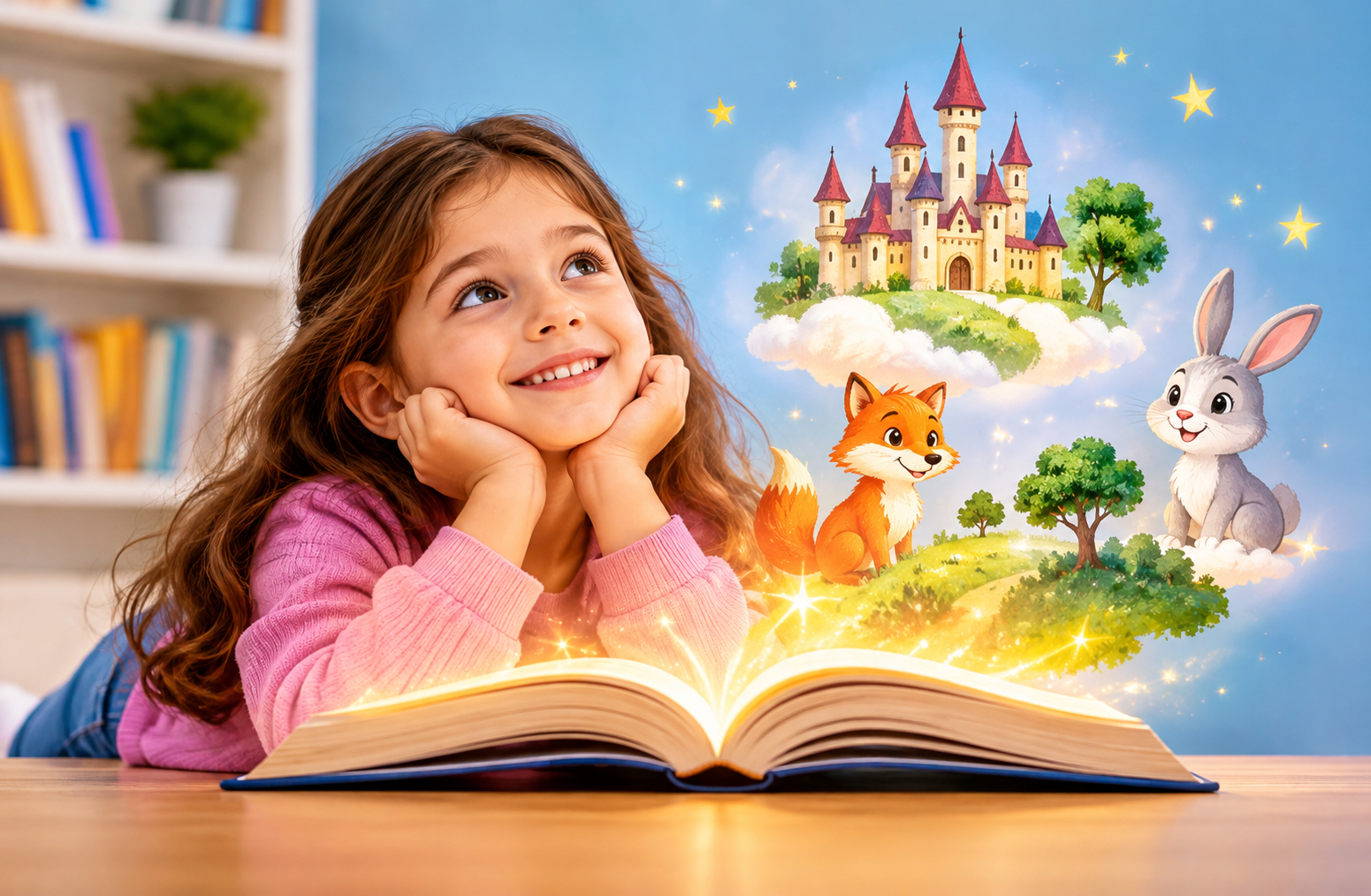
The Benefits of Creative Storytelling for Children
Stories have been an important part of human culture for generations. Parents tell bedtime stories, teachers use storytelling in classrooms, and children create imaginary worlds through games and conversations. Beyond entertainment, storytelling offers valuable opportunities for children to develop creativity, communication skills, and imagination.
In a world where digital entertainment is becoming increasingly common, encouraging children to explore stories can provide a refreshing way to learn and express themselves. Whether they enjoy reading books, inventing characters, or creating imaginary adventures, storytelling can become a rewarding part of childhood.
Why Storytelling Is Important
Storytelling allows children to explore different situations, emotions, and experiences through imagination. A simple story about a journey, friendship, or adventure can introduce ideas that children may not encounter in their everyday lives.
Listening to stories also helps children develop attention and comprehension skills. They learn to follow events, recognize characters, understand relationships, and remember important details.
Parents can make storytelling interactive by asking questions during a story. For example, they might ask what a character should do next or how the story could end differently.
These questions encourage independent thinking and help children become active participants rather than passive listeners.
Encouraging Imagination Through Characters
Characters are often the most memorable part of a story. Children may become interested in brave explorers, clever animals, mysterious creatures, or friendly companions.
Creating characters gives young storytellers an opportunity to experiment with different personalities and backgrounds.
A character might be adventurous but sometimes nervous, intelligent but curious, or strong while still caring deeply about friends. These combinations make fictional personalities more interesting and believable.
Writers can encourage children to describe what their characters look like, what they enjoy, and what challenges they might face.
Even a simple drawing accompanied by a few sentences can become the beginning of an original story.
Building Interesting Fictional Worlds
A good story often takes place in an environment that feels interesting and imaginative. Children can invent forests, islands, castles, villages, mountains, or completely fictional planets.
The setting influences what happens in the story. An adventure in a mysterious forest may involve different challenges from a journey through a busy city.
Encouraging children to describe their fictional surroundings helps them think about details such as weather, geography, sounds, and atmosphere.
Parents and teachers can introduce creative exercises in which children design a map of an imaginary place and explain the important locations.
This activity combines storytelling with drawing, planning, and problem-solving.
Learning Through Animal Characters
Animals are popular characters in children’s stories because they offer endless possibilities for imagination.
A small rabbit might become a clever detective, a bird could travel across distant mountains, or a cat might become the leader of an adventurous group.
Animal characters can also help children explore themes such as friendship, teamwork, courage, and responsibility.
For children who enjoy creating fictional animal characters, choosing an appropriate name can become part of the creative process. Exploring Warrior Cat Name Ideas can provide inspiration for developing distinctive personalities and imaginative character identities.
A well-chosen name can help a fictional character feel more memorable and give young writers an additional way to express creativity.
Developing Communication Skills
Storytelling encourages children to organize their thoughts and communicate ideas in a logical sequence.
When telling a story, they need to introduce characters, describe situations, explain events, and bring the narrative toward a conclusion.
These activities provide practice in vocabulary, sentence formation, and verbal expression.
Reading stories aloud can also help children become more comfortable speaking in front of others.
Parents should encourage children without correcting every small mistake. Creating a relaxed environment makes it easier for young storytellers to experiment with language and develop confidence.
Teaching Important Life Lessons
Stories can introduce valuable lessons in ways that feel natural and enjoyable.
A story about two friends solving a problem together may demonstrate the importance of cooperation. Another story might explore honesty, patience, kindness, or responsibility.
Fictional situations allow children to consider different choices and their possible consequences.
Instead of simply explaining what a character should do, parents can ask children to discuss the character’s decisions.
These conversations can help develop empathy and encourage thoughtful behavior.
Combining Art and Writing
Storytelling becomes even more enjoyable when children combine writing with visual creativity.
They can draw characters, design costumes, create backgrounds, and illustrate important moments.
A handmade storybook is a simple project that combines several useful activities. Children can write a short story, divide it into pages, add illustrations, and create a colorful cover.
Digital tools can also be introduced when appropriate, but traditional paper-based activities offer a useful opportunity to practice drawing and handwriting.
Using Everyday Experiences as Inspiration
Not every story needs to involve magical kingdoms or imaginary creatures. Everyday experiences can provide excellent inspiration.
A visit to a park, an interesting conversation, a family trip, or a new friendship can become the starting point for a fictional adventure.
Children can change the details and imagine what might have happened if the situation were different.
For example, a normal walk through a garden could become a story about discovering a hidden world beneath the trees.
This approach teaches children that creativity can begin with ordinary observations.
Making Storytelling a Family Activity
Families can develop enjoyable storytelling traditions by setting aside time for reading and imagination.
One simple activity involves creating a story together. The first person introduces a character, the next adds an event, and another person decides what happens afterward.
This approach encourages teamwork and makes storytelling interactive.
Parents can also allow children to choose the theme, characters, and setting. Giving them creative control can increase their enthusiasm.
Those who enjoy imaginative animal adventures can explore additional creative ideas for warrior cat characters while developing their own fictional stories.
Conclusion
Creative storytelling offers children opportunities to develop imagination, communication, confidence, and problem-solving abilities.
Through fictional characters, interesting settings, and meaningful adventures, young storytellers can explore ideas while enjoying the process of creating something original.
Parents and teachers can support this development by encouraging reading, drawing, writing, and family storytelling activities.
The most important thing is to create an environment where children feel comfortable sharing their ideas. Every great story begins with a little imagination.