Storage Sheds: What Can and Can’t Be Stored Safely (Fuel, Paint, Fertilizer)
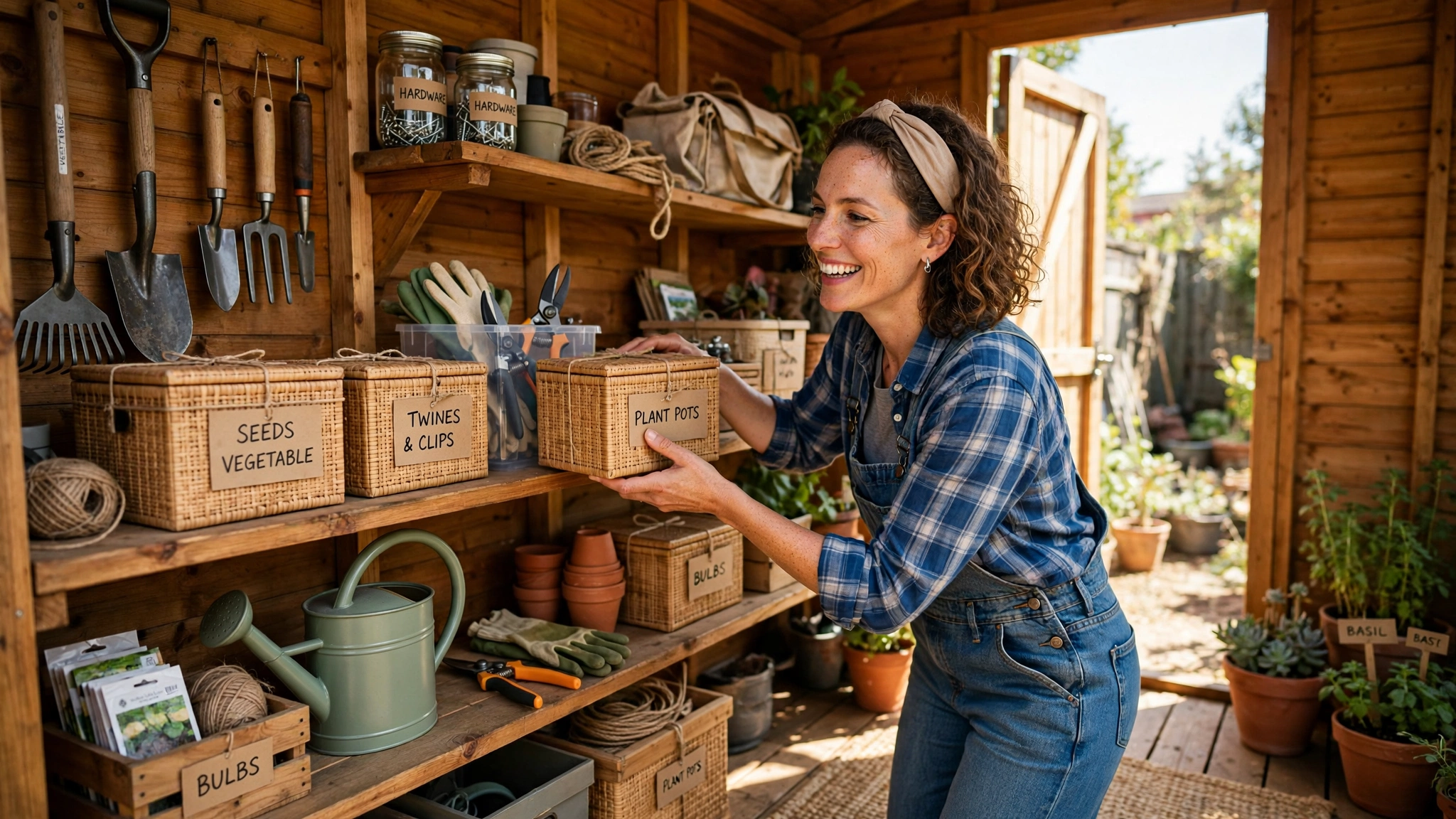
The backyard shed can accommodate everything from gardening tools to seasonal equipment, but storing household supplies requires planning. Homeowners should consider specific handling requirements for many products, including gasoline, paint thinners and fertilizers. Poor storage can lead to chemical reactions, possible fire hazards, damaged products or accidental exposure. It is important to be aware of what kinds of items are suitable for ordinary storage, which require additional precautions, and which need a different location in a storage shed.
Three Materials That Need Special Storage Attention
Household and gardening products such as fuel, paint, and fertilizer pose various storage risks. Being aware of these differences will help avoid dangerous combinations.
Gasoline and Other Fuels
Gasoline is highly combustible and emits vapors that may catch fire from sparks, flames, or hot surfaces. A typical shed is not necessarily an appropriate fuel storage space.
If your area allows some indoor fuel storage, take the following precautions:
- Use approved, tightly sealed fuel containers.
- Avoid placing containers in direct sunlight.
- Store fuel in a cool, appropriately ventilated location.
- Avoid heat, electrical devices, and ignition sources.
- Restrict access to children and unauthorized users.
Paint, Thinners and Solvents
The storage requirements vary depending on the formulation. Water-based paints have different fire hazards than oil-based paints, varnishes and solvent-based thinners. The latter can give off flammable vapors and must need special attention.
When storing paint in storage sheds, refer to the manufacturer’s instructions. Store containers tightly closed, upright and in their original packaging. Keep flammables out of heat, sparks and open flames.
An often overlooked hazard is solvent-soaked cloth. Some oil-based paints and finishing materials may cause spontaneous heating in contaminated rags. Dispose of used clothes according to the product’s instructions.
Fertilizers and Garden Chemicals
Some fertilizers could be affected by moisture, and certain chemical blends pose additional risks.
Follow these guidelines for storage of fertilizer:
- Keep original packaging and product label.
- Keep bags sealed to protect from moisture.
- Store products in a cool, dry area.
- Keep fertilizers away from fuels, oils and pesticides.
- Prevent access by children and pets.
What Should Never Be Stored Carelessly in a Shed?
Certain products have special storage requirements, such as a special outdoor rack. The following comparison highlights common concerns.
| Item | Main concern | Safer approach |
|---|---|---|
| Fireworks | Fire and explosion risk | Follow local regulations and designated storage requirements |
| Gas cylinders | Leakage and fire hazards | Use approved, secure and appropriately ventilated storage |
| Leaking chemical containers | Exposure and contamination | Isolate safely and follow hazardous waste guidance |
| Food and animal feed | Chemical contamination and pests | Use a separate, clean storage area |
| Excess fuel supplies | Increased fire risk | Follow local quantity limits and approved storage requirements |
A Practical Checklist for Safer Shed Storage
No matter the size of the building, certain habits can help make everyday storage safer. When planning supplies, refer to this checklist:
- Read product labels: Follow the manufacturer’s storage and disposal instructions.
- Use original containers: Do not move chemicals into unmarked containers or jars.
- Keep incompatible materials apart: Do not mix fuels with oxidizing fertilizers and other materials that are likely to react.
- Check for damage: Inspect containers for leaks, corrosion, and deteriorating seals.
- Secure building: Restrict access of children and pets.
- Keep access clear: Ensure entrances, walkways and emergency exits are clear.
When shopping for storage sheds for sale, think about practical features like ventilation, shelving space, and secure access. But these features do not imply that a building is suitable for storing hazardous chemicals.
Finding a Suitable Storage Building at Sheds Direct
Homeowners have different outdoor storage needs, so Sheds Direct offers various styles of sheds to meet their needs. Traditional storage buildings, barn and cottage sheds are available at Sheds Direct with various sizes, materials and customizations. Customers can compare designs, depending on the space they have in the yard and how they plan to use them. When choosing a building, take into account the space needed for gardening equipment or for general household use. Many hazardous materials need to be stored in designated, dedicated storage units.
FAQs
Can gasoline be stored in backyard sheds?
Gasoline can be stored in permitted detached outdoor storage areas using sealed containers. Make sure to store away from heat and fire. Before storing fuel in backyard sheds, always refer to local regulations.
Is it safe to store paint in Storage Sheds?
Yes, as long as formulation and storage conditions are right. Store paint in original containers, away from heat and fire. Follow the manufacturer’s instructions for storage sheds.
Can fertilizers and fuel be stored together in barn sheds?
No. Barn sheds should not be used to store fuel near fertilizers, especially ammonium nitrate-based fertilizers, as it may result in a serious fire and explosion hazard.
Are Cottage Sheds suitable for chemical storage?
Cottage sheds may accommodate ordinary household supplies; however, if hazardous chemicals require additional storage facilities, ventilation, and safety controls that cannot be met in a conventional shed.
Conclusion
A shed offers easy storage for outdoor tools and household items, but not all items fit in the shed. Each type of fuel, paint, and fertilizers has specific storage needs, and some can be extremely dangerous when combined. Use chemical storage containers and follow local regulations when storing chemicals, as well as product labels. With careful planning backyard sheds can help keep many of the items in your everyday life organized and keep your property safer.
Explore Sheds Direct’s collection of outdoor buildings to find a storage solution that suits your space and everyday needs.