From Empty Spaces to Active Communities: How Park Playgrounds Encourage Outdoor Play and Social Interaction
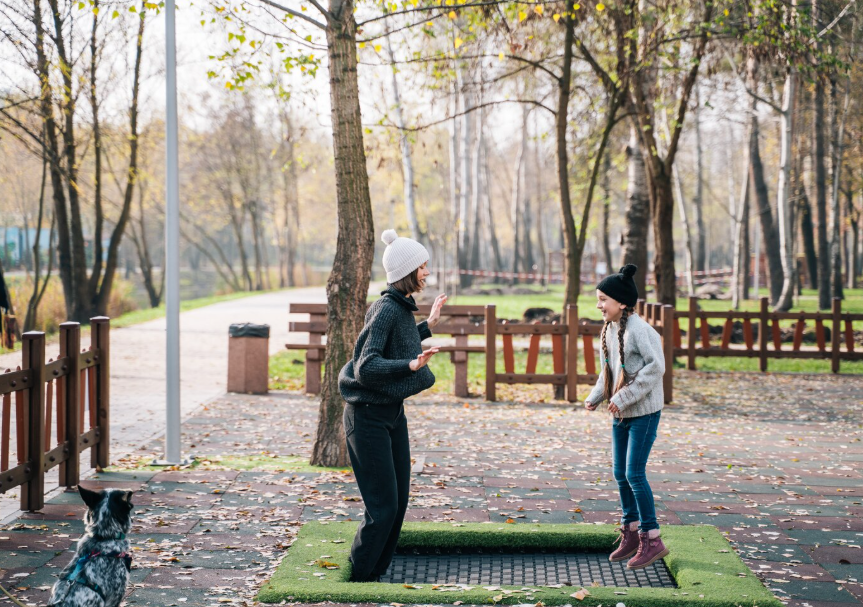
A park playground turns a patch of grass into a place where kids run, climb and meet each other. Health experts advise 60 minutes of active play a day for ages 5 to 17. The AIHW says only about 1 in 5 Australian kids hits that. A good playground closes the gap fast. With Moduplay’s park playground equipment, councils can build one space that suits toddlers, big kids and parents. Play brings people together. Neighbours chat while kids swing. Here is how parks grow activity and friendships, and which features do the most work. Kids need room. Parents need seats.
Why do park playgrounds get kids moving?
Because play feels like fun, not exercise. A child climbing, swinging and balancing racks up minutes without noticing. Australian guidelines call for 3 hours of physical activity a day for ages 3 to 5, with at least 1 hour of energetic play. Different gear trains different skills:
- Climbing nets and walls build grip, arms and core.
- Swings train balance and timing.
- Balance beams and stepping logs sharpen focus.
- Slides and ramps add speed and confidence.
- Open grass invites chasing games.
How do playgrounds help kids make friends?
Shared gear means shared turns. A slide has a queue. A seesaw needs two kids. Children learn to wait, ask and take turns without a teacher telling them to.
That matters. The 2021 Australian Early Development Census found 22% of children start school needing support in at least one area, and social skills are one of the five it checks. Mixed-age zones help. Older kids show little ones how things work. Big group pieces like spinners and wide nets pull strangers into the same game.
Does a little challenge help kids play better?
Yes. A climbing wall that makes a child stop and think builds courage. A 2015 review of the research linked outdoor risky play with more physical activity and better social health. Safe does not mean boring. Certified equipment over proper soft ground lets kids test their limits and still go home happy. Add a few tall features for older kids. They will use them.
What makes a park playground work for the whole community?
Parents count too. A bench with a clear view of the play area gives adults a reason to stay. Adults who stay start talking. Those chats build the neighbour links that make a suburb feel friendly.
Inclusion counts just as much. Ramps, wide paths and sensory panels let kids of all abilities play side by side. My view: a playground that only works for some kids is half a playground.
| Park zone | Ages | Key features | Social payoff |
|---|---|---|---|
| Toddler zone | 1 to 4 | Low platforms, soft ground, fenced edge | Parents meet and chat |
| Junior zone | 5 to 8 | Climbing frames, slides, swings | Turn-taking and teamwork |
| Big kid zone | 9 to 12 | High nets, balance courses | Group games and challenges |
| Shade and seating | All ages | Shade sails, benches | Adults stay longer |
| Inclusive paths | All abilities | Ramps, sensory panels | Kids play side by side |
How much do shade and layout matter?
A lot. Shade can cut UV exposure by up to 75%, says Cancer Council. Kids stay out longer when the slide is not scorching. A shade sail over the toddler zone is the first upgrade I would pick.
Layout decides how people mix. Put the toddler zone where adults can see every corner. Link zones with short paths so older siblings can drift between them. Keep seating on the edge, close to the action. Clear sightlines keep kids safe and parents relaxed. Parks built this way fill up, and busy parks turn into the places neighbours know each other.